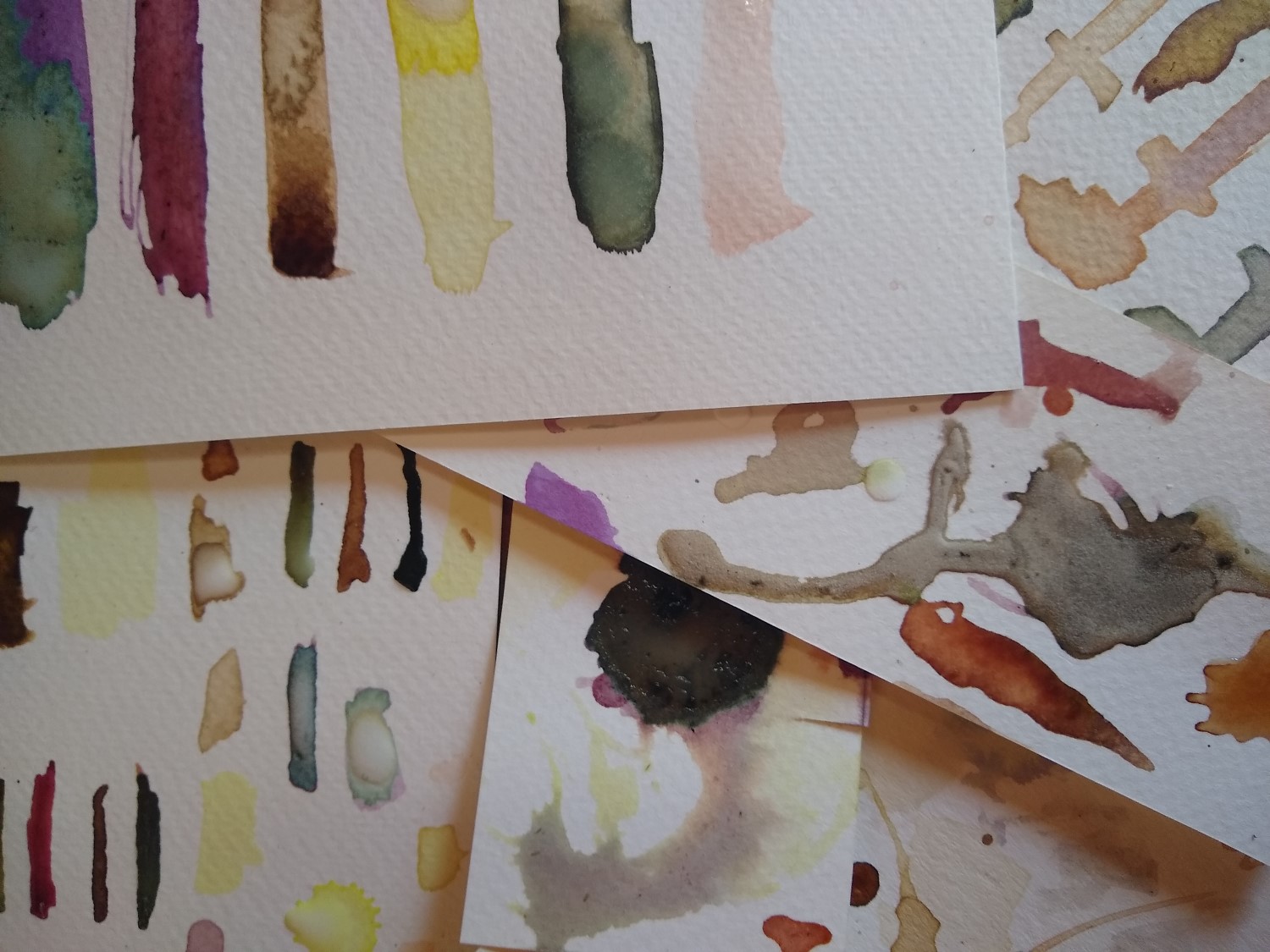
At our Culture Days workshop, we focused on four plants available for wild foraging and ink-making in the fall: Acorn Caps, Staghorn Sumac, Goldenrod, and Wild Grape. Let's learn a little more about these plants, including some fun facts -- can you guess which one is part of a plant-insect relationship that dates back 48 million years?
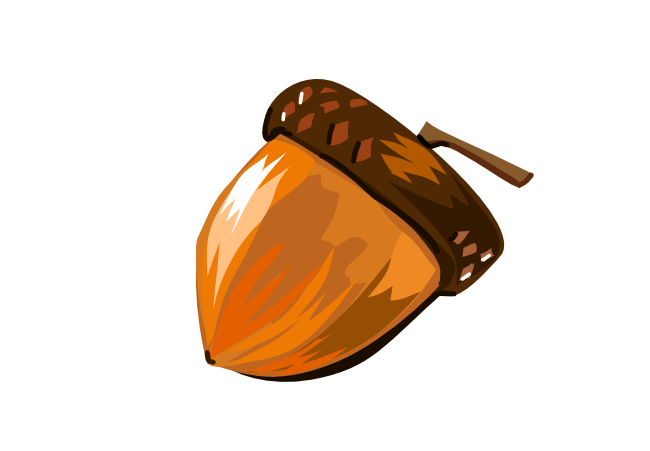
Acorn Caps
Colour: Brown
Acorns are a wonder food of the forest. Oaks are a very important "mast" (aka fruit) producing tree, meaning they provide food for lots of forest critters. So we leave the food part behind, and only collect the discarded caps for our ink-making.
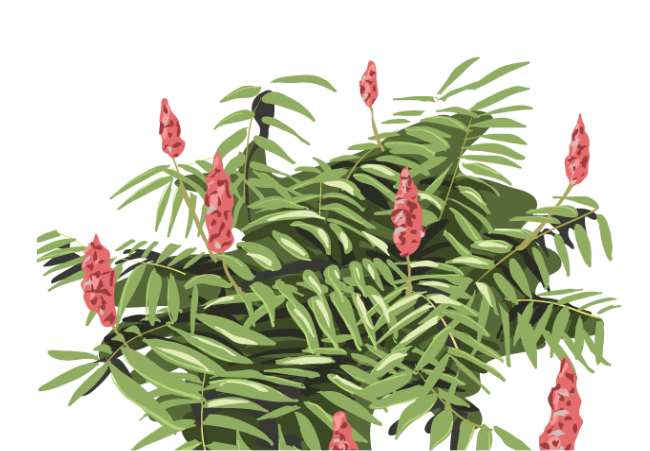
Staghorn Sumac
Colour: Ruddy Pink
A tenacious plant that can grow in even the scrappiest conditions, you'll soon start spotting sumac everywhere from conservation areas to the sides of highways. Sumac is a member of the Anacardiaceae family, whose other members include cashew, mango, pistachio and poison ivy.
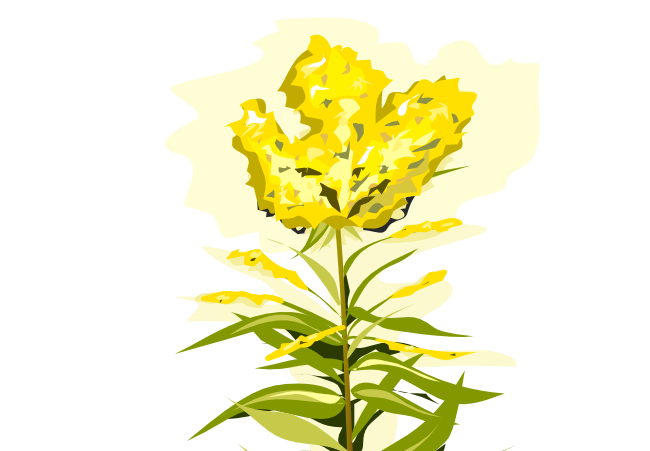
Goldenrod
Colour: Yellow
Good old goldenrod. Coming into bloom at the end of summer and beginning of fall, its beautiful golden colour lights up roadsides throughout the province. Being so visible and showy right when people's seasonal allergies kick in, poor old goldenrod often takes the blame for people's snuffly noses and itchy eyes. But the good news is -- you are (probably) not allergic to goldenrod!
Wild Grape
Colour: Purple and Black
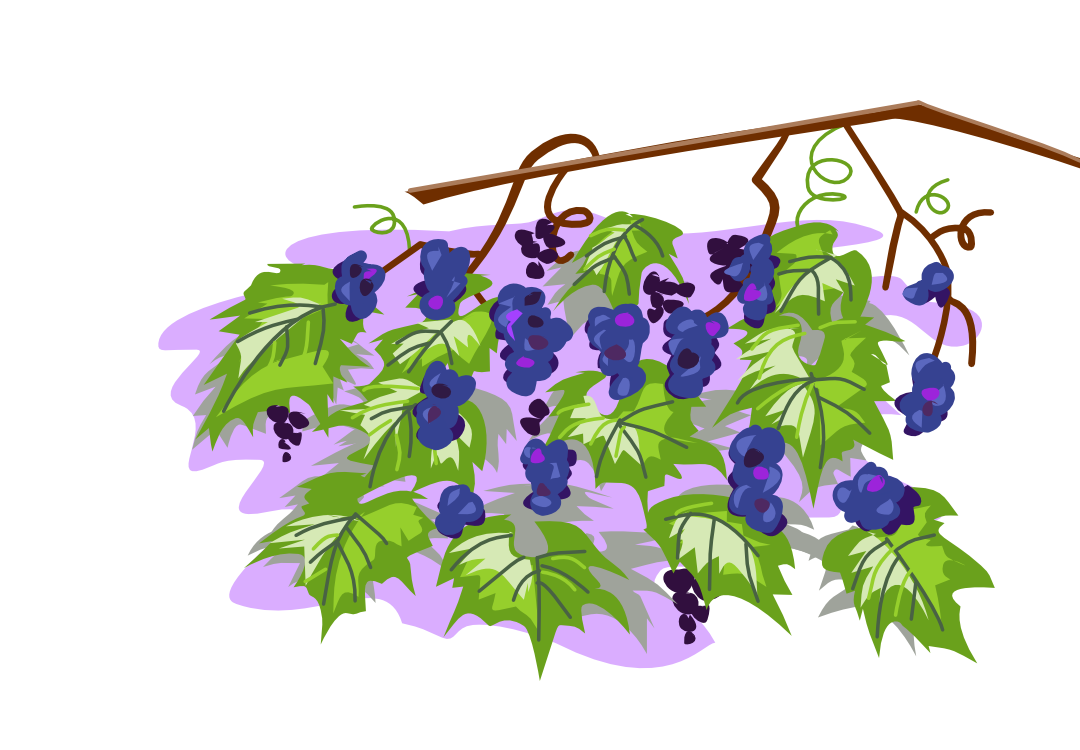
Growing on fencelines, up trees, and weaving itself into bushes, wild grape vines can be found everywhere in southern Ontario. In addition to being edible -- making a delicious wild grape jelly! -- the fruits of wild grape make a wonderful purple ink, with great staying power. When you paint with wild grape purple, your painting will still be purple even years later.